
Optimite perspectives
The thinking behind the infrastructure.
Sourced, long-form perspectives on battery collection in India, the rules that govern it, and the records that connect the supply chain.
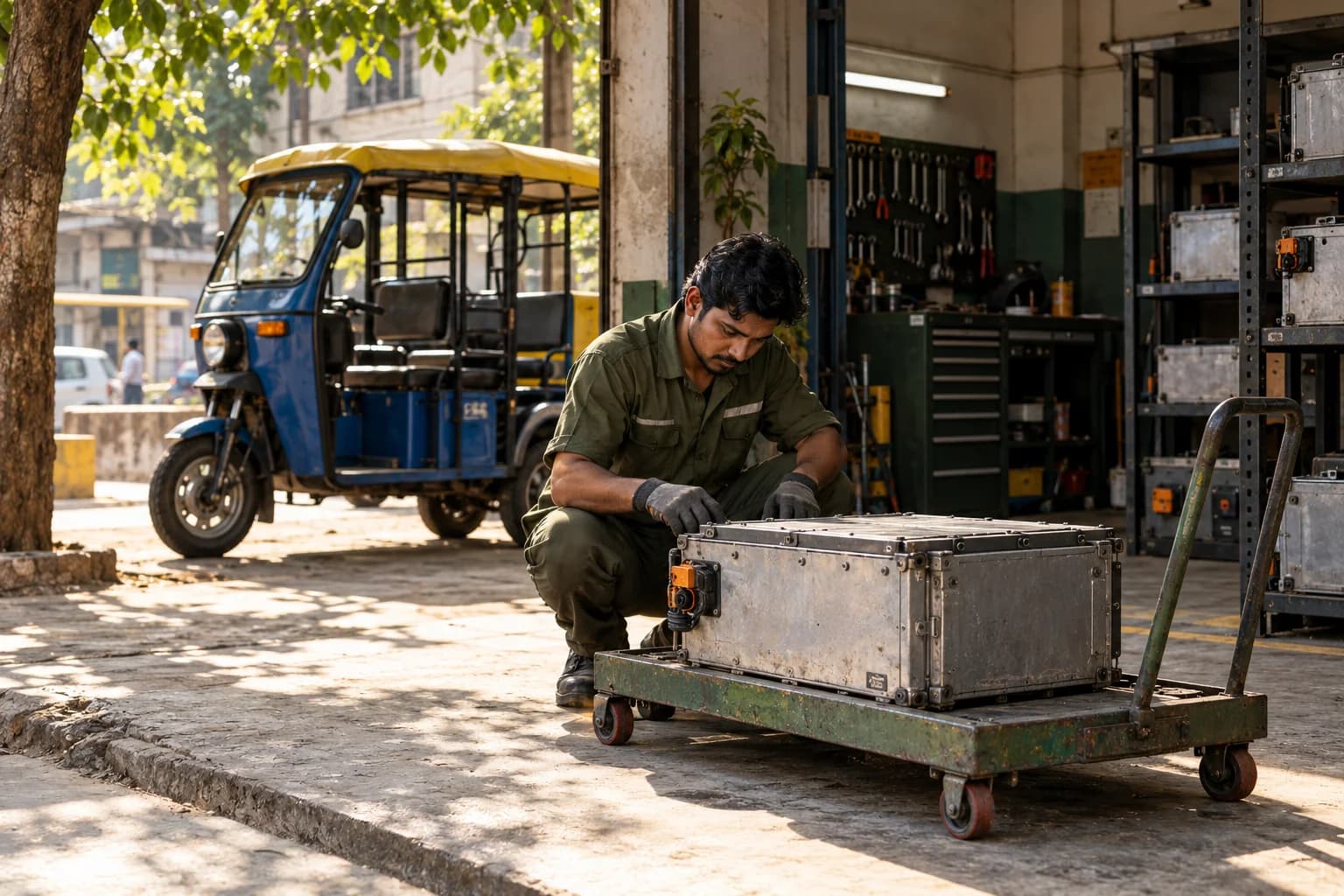
Collection
The collection gap: where India's used EV batteries go.
India's EV fleet is growing fast. Its lithium-ion packs are valuable and hazardous at end of life, and collection, not recycling capacity, is the bottleneck.
Read perspective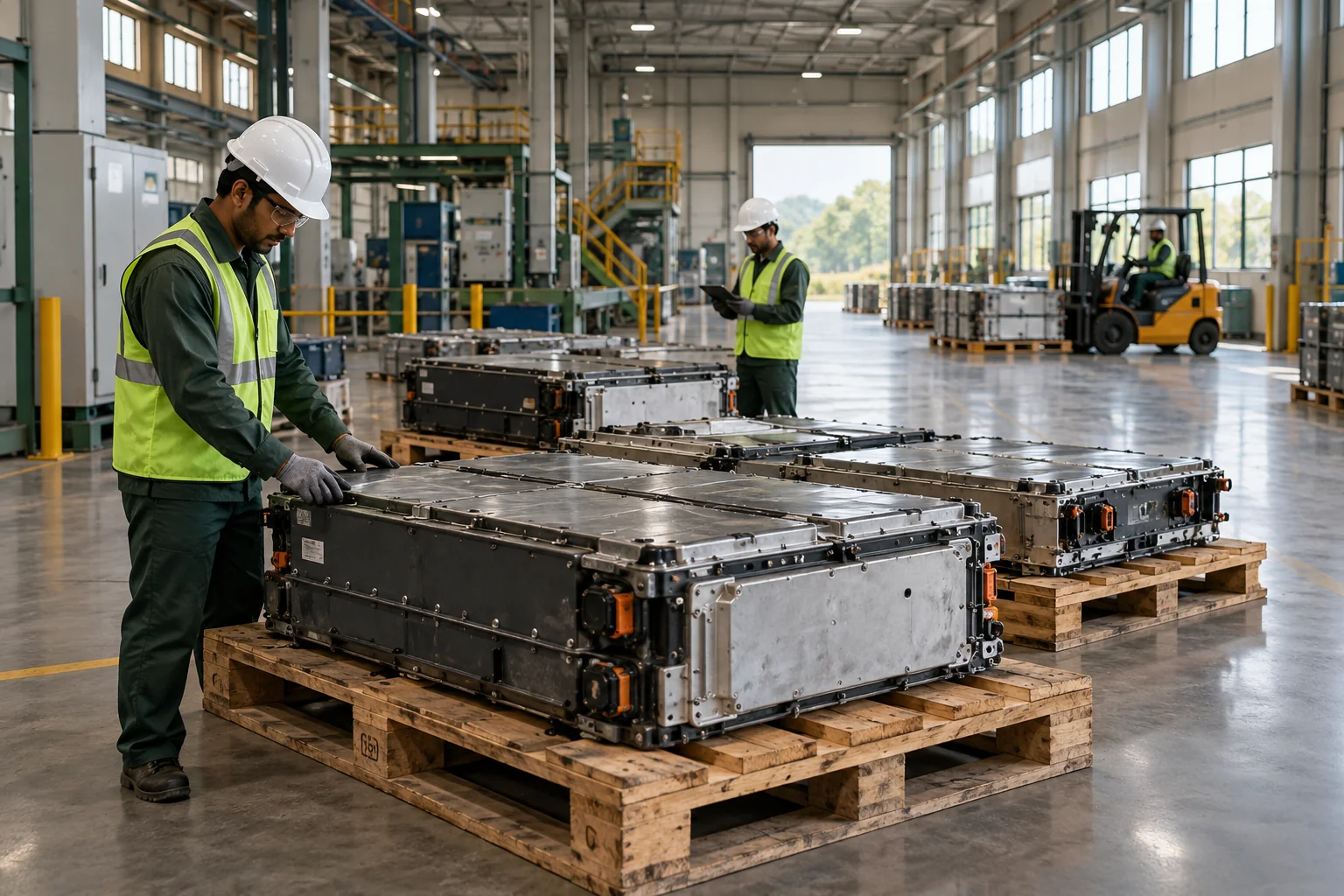
Regulation
What the Battery Waste Management Rules mean for producers, recyclers and collectors.
Who carries the obligation, who provides the certificates, and what each part of the chain has to get right.
Read perspective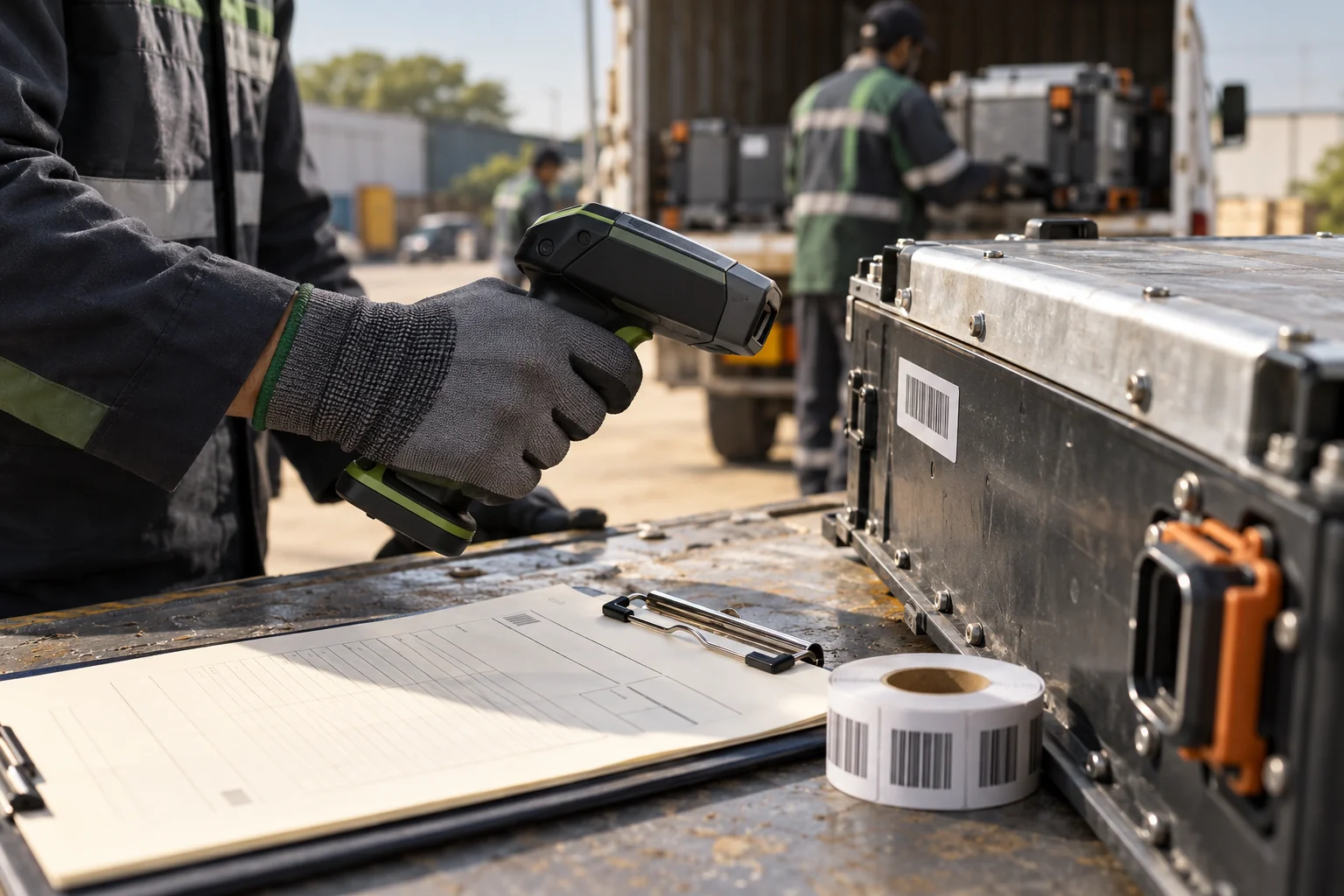
Traceability
A battery changes hands. Its record shouldn't disappear.
Pack-level custody, told through the records each step produces, and what a recycler should ask of any supplier.
Read perspective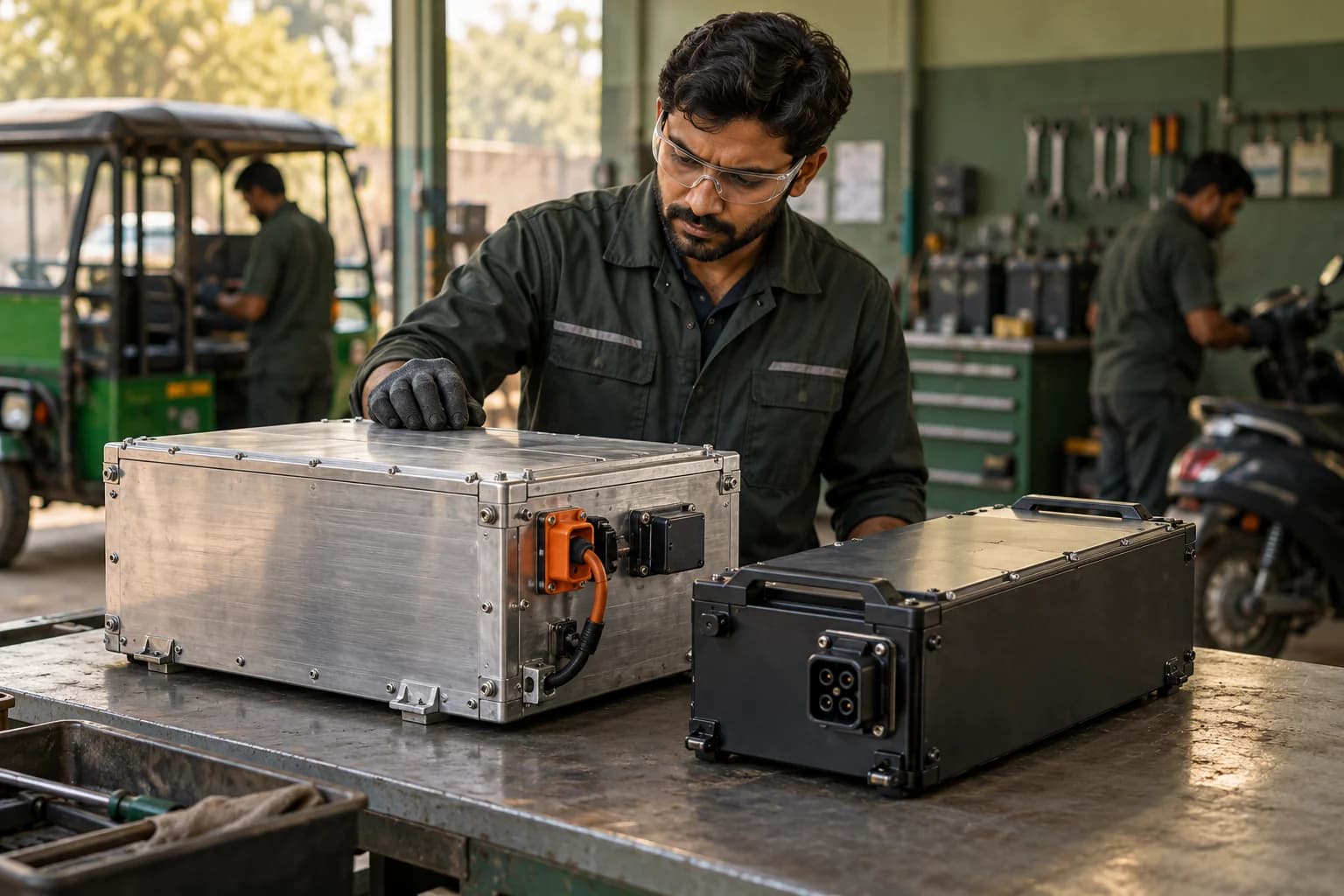
Materials
LFP and NMC: why chemistry and condition decide everything.
Why LFP and NMC packs never share a lot, and why a pack's condition matters as much as its chemistry.
Read perspective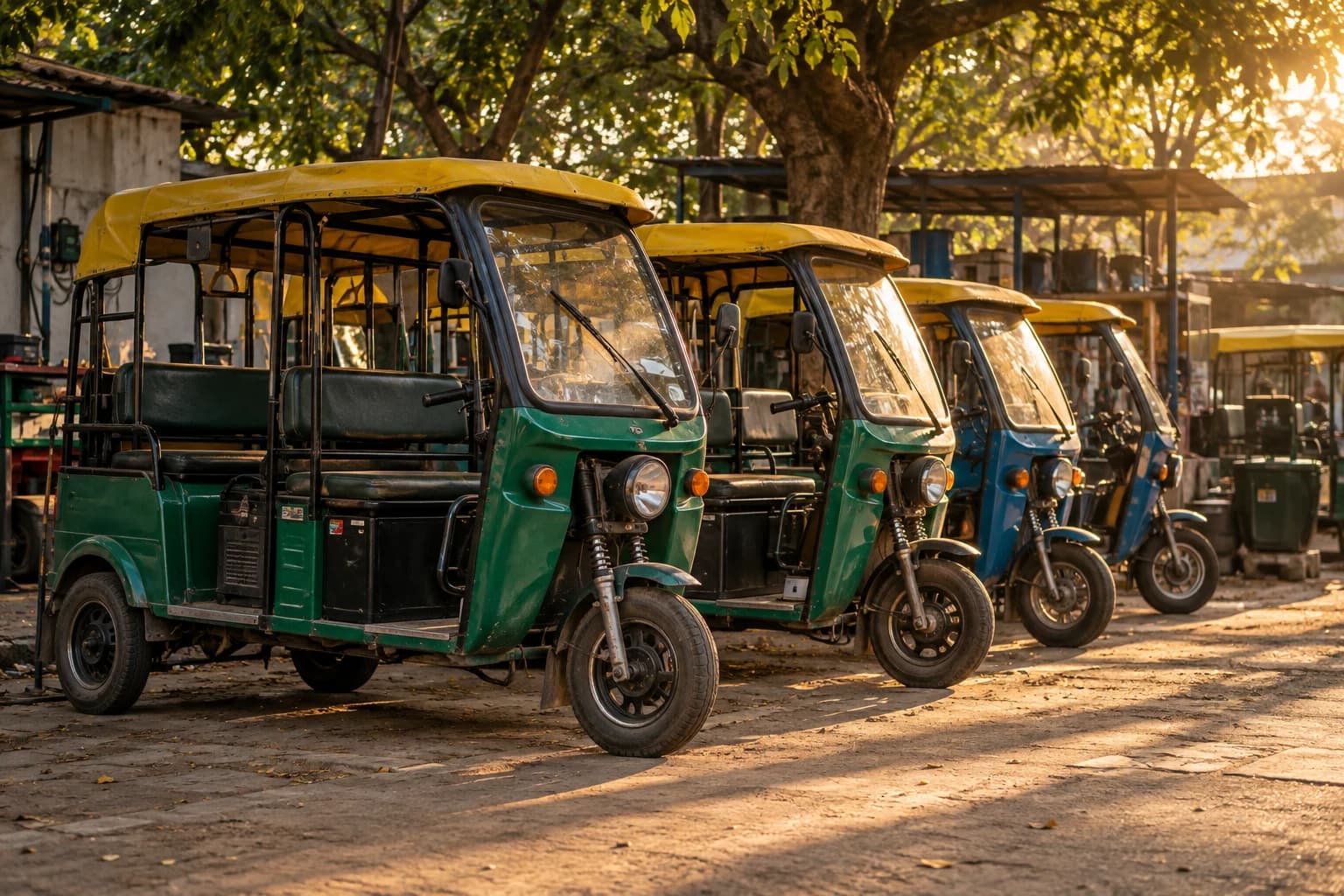
Strategy
Why we start with one corridor: battery collection in western UP and the NCR.
In collection, density beats reach. Why western Uttar Pradesh and the NCR, and what doing one corridor properly means.
Read perspective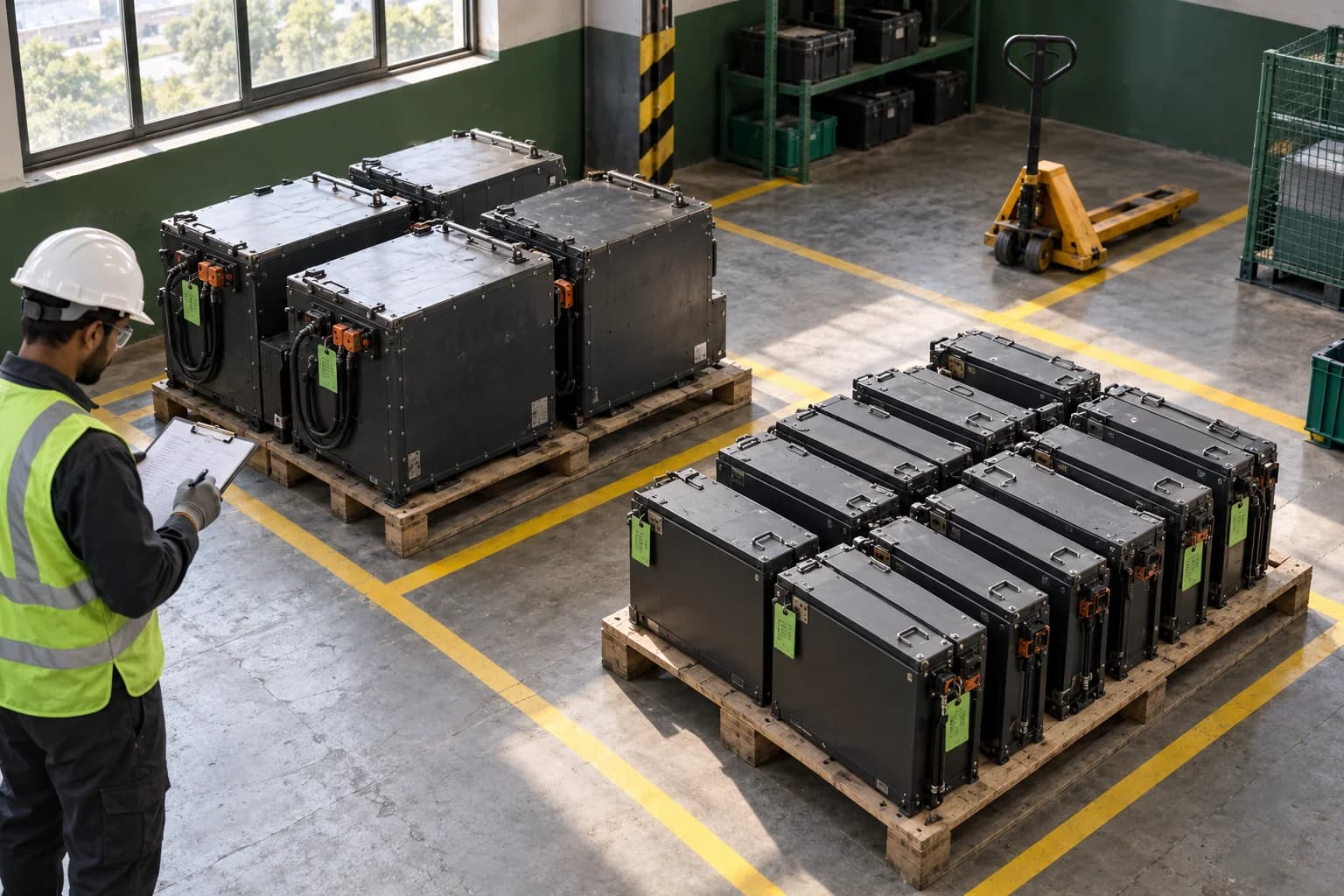
Supply
What a lithium-ion feedstock specification should cover.
Before the first lot moves, a recycler and its supplier should agree on paper what arrives at the gate. Here is what that document should cover.
Read perspective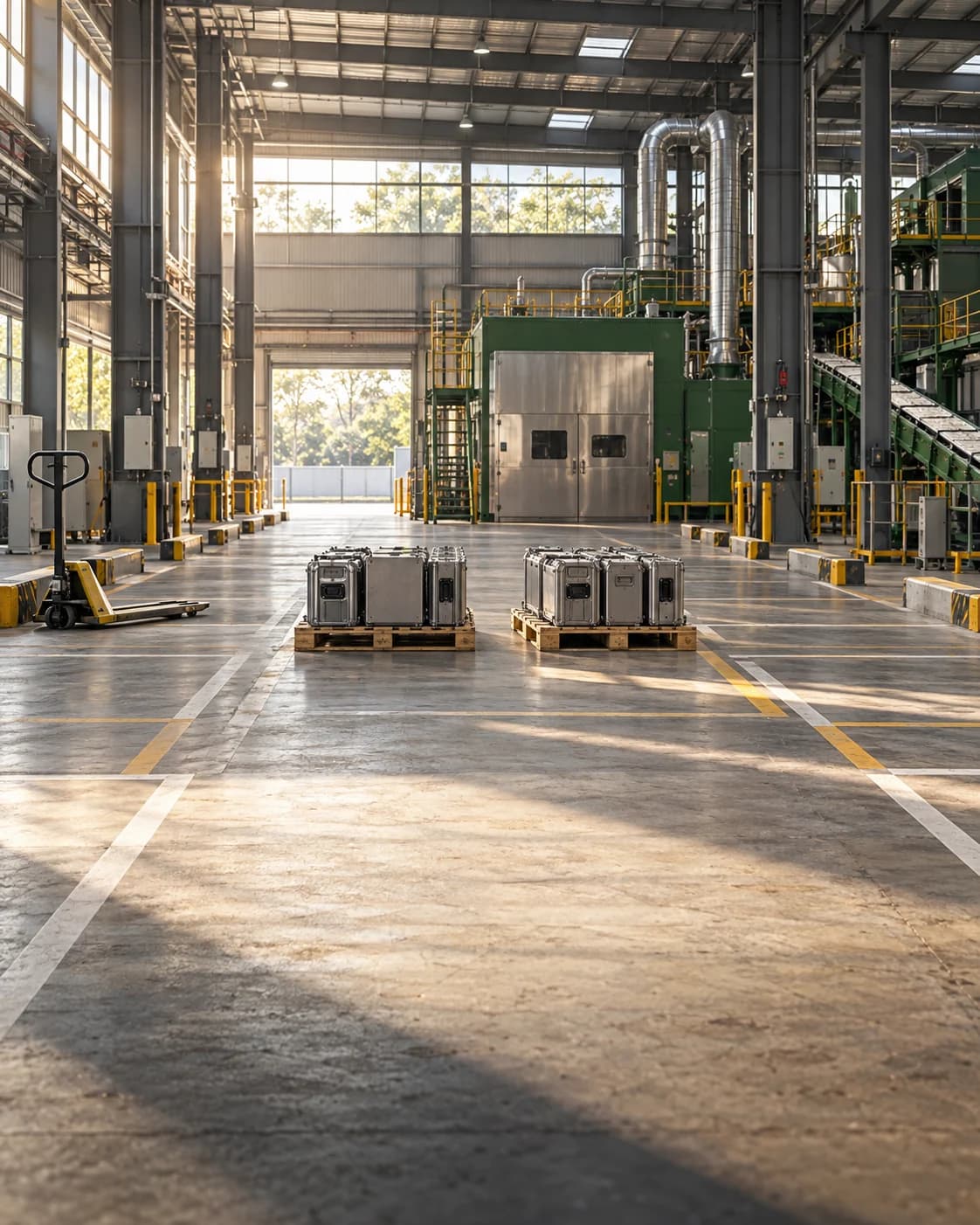
Traceability
What's in a consignment record, field by field.
One document per lot, built from the records each step creates. Here is what every field means and why a recycler should care.
Read perspective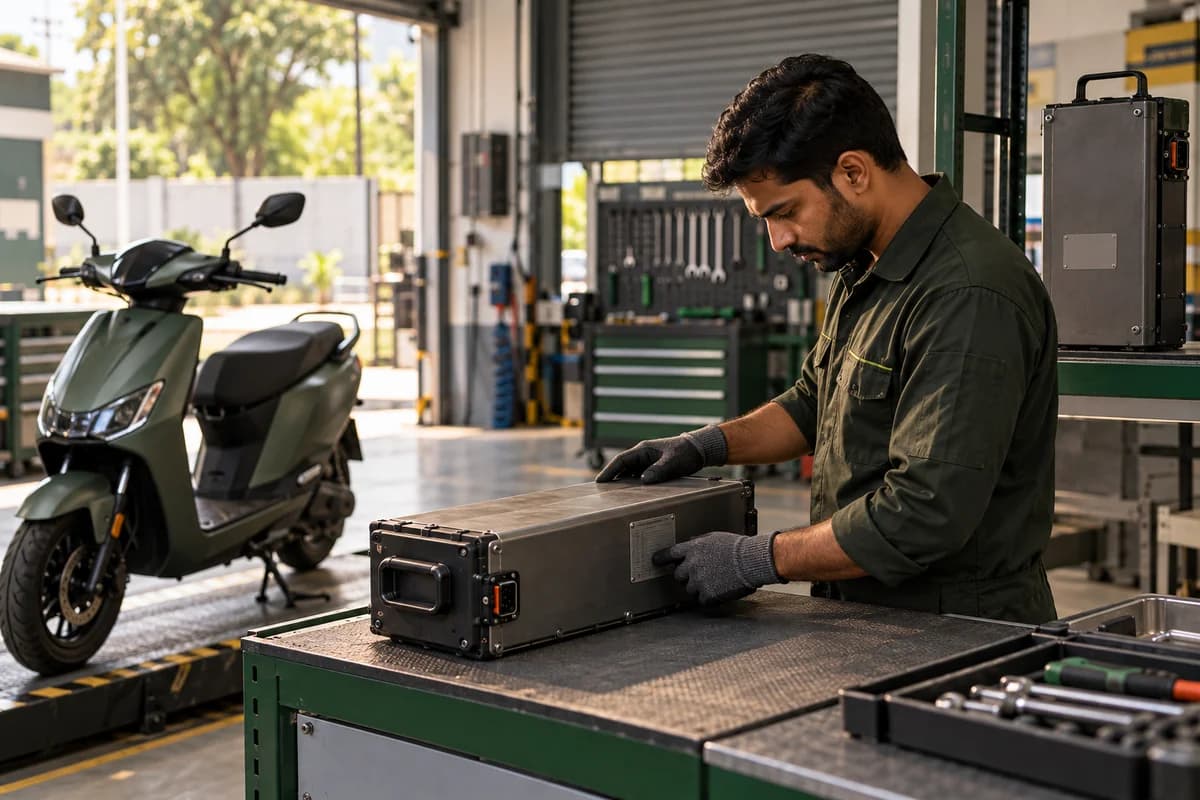
Regulation
Battery EPR certificates: who generates them, and what a collector can't do.
Producers meet their battery EPR targets with certificates from registered recyclers. Here is how that works, and the claims to be wary of.
Read perspective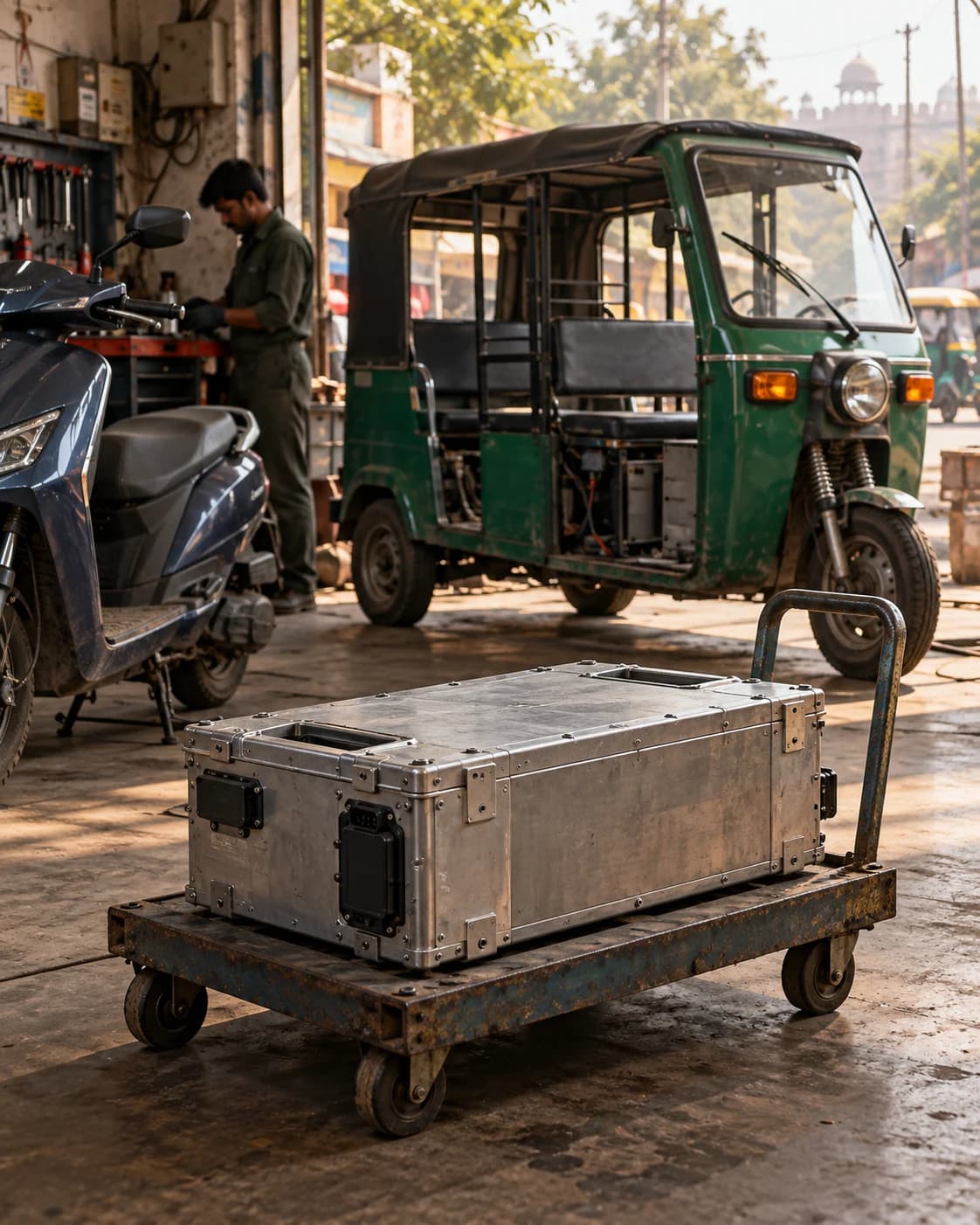
Collection
When is an EV battery at end of life? Second life or recycling.
The rules separate a used battery that can have a second life from one that has reached its end. Here is how the two routes work, and who handles each.
Read perspective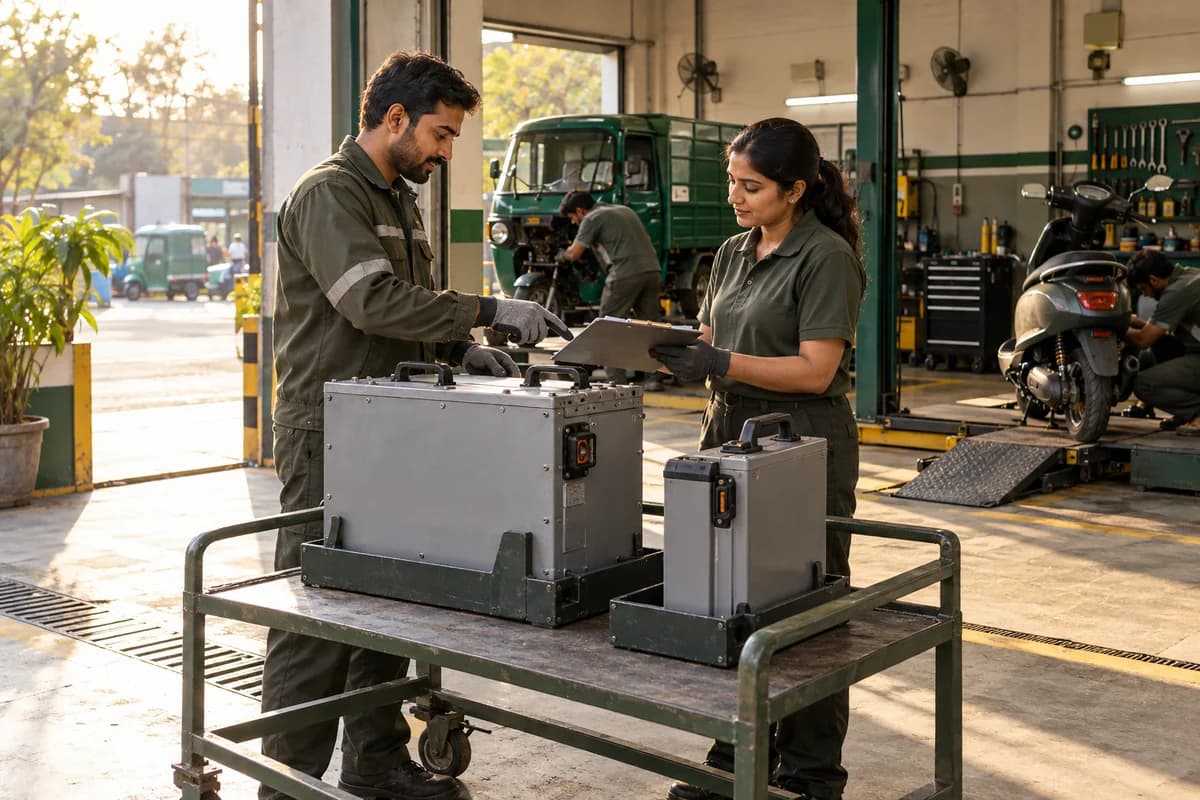
Regulation
Five amendments since 2022: what changed in India's battery waste rules.
Registration, certificates, prices, penalties and labels have all moved since the rules were notified. Here is each amendment in order, with the Gazette text.
Read perspective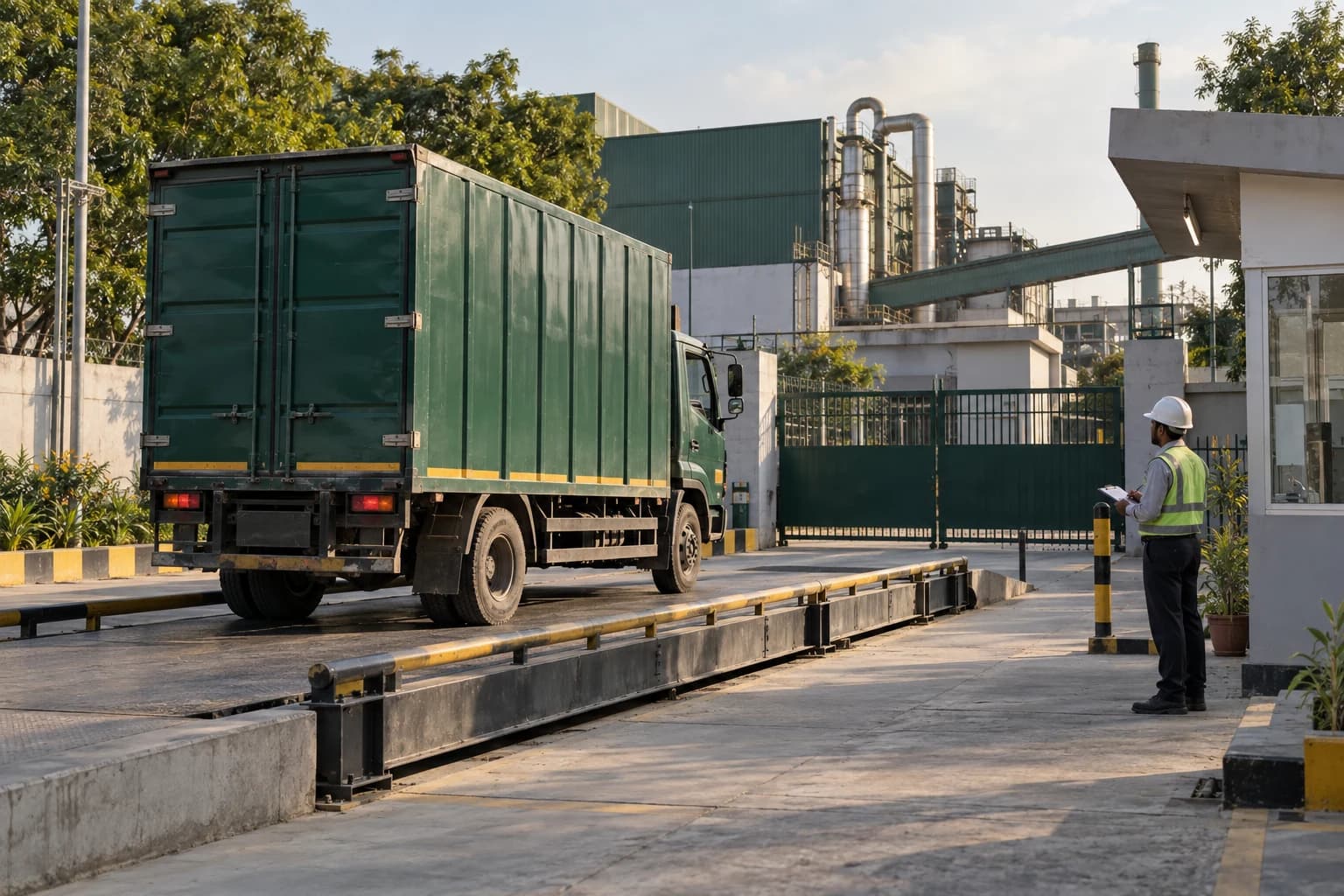
Traceability
Weighbridge reconciliation: when a battery lot is weighed at the recycler's gate.
Every lot carries two weights: the sum of its packs, and the recycler's weighbridge reading. Here is where each comes from, why they differ, and how the difference is handled.
Read perspective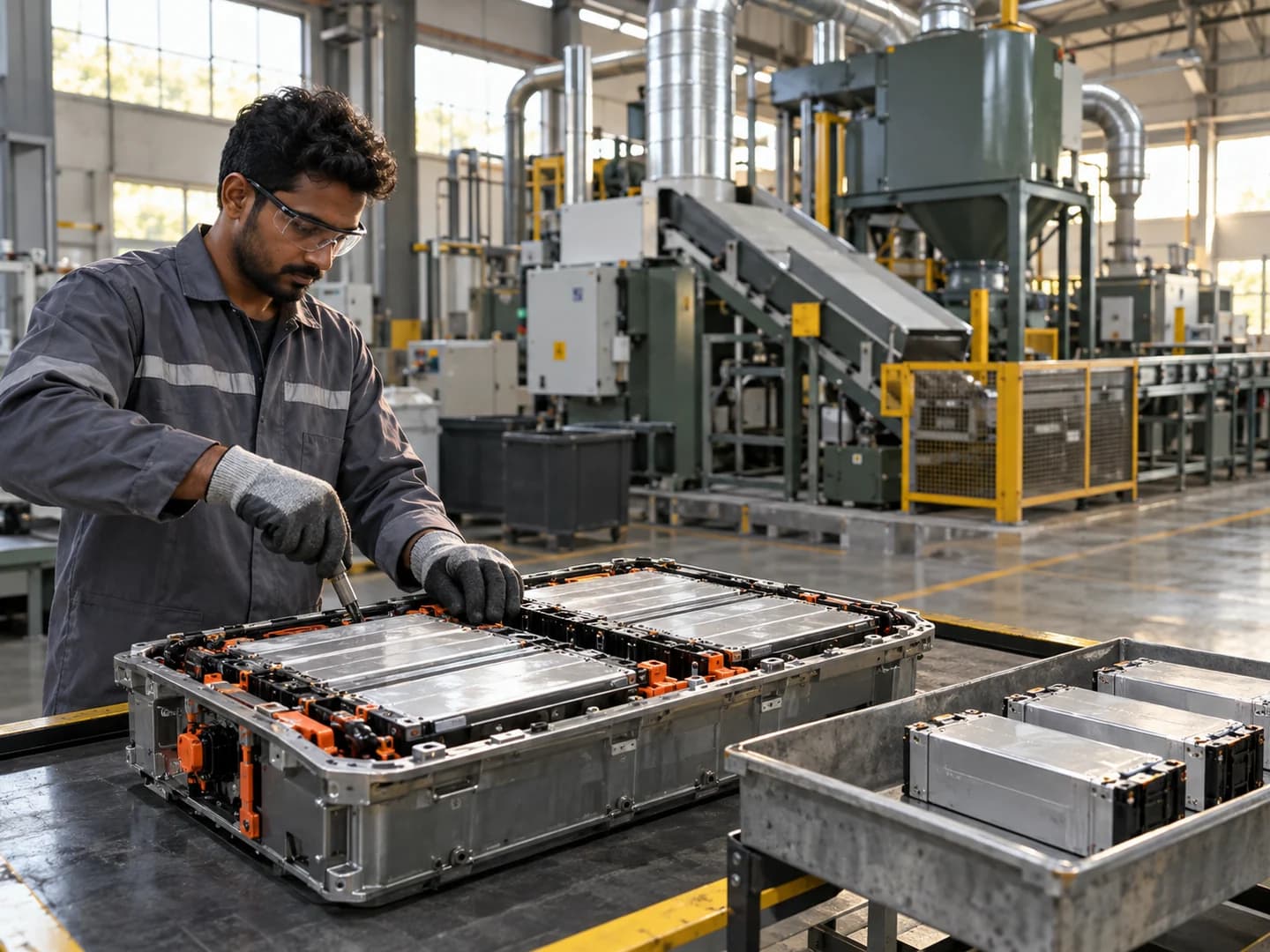
Materials
India's ₹1,500 crore recycling scheme: who it pays, and why black mass alone doesn't qualify.
The government's incentive for recycling critical minerals pays recyclers that extract lithium, nickel and cobalt, not those that stop at black mass. Here is how it works, and what it means for battery feedstock.
Read perspective
Regulation
How to check a battery recycler is CPCB-registered.
There's no reliable national search for registered battery recyclers. Here is what to ask for, how to check it, and the warning signs, rule by rule.
Read perspectiveA question we haven't answered?
Ask the team. A person reads every message and replies within one working day.