
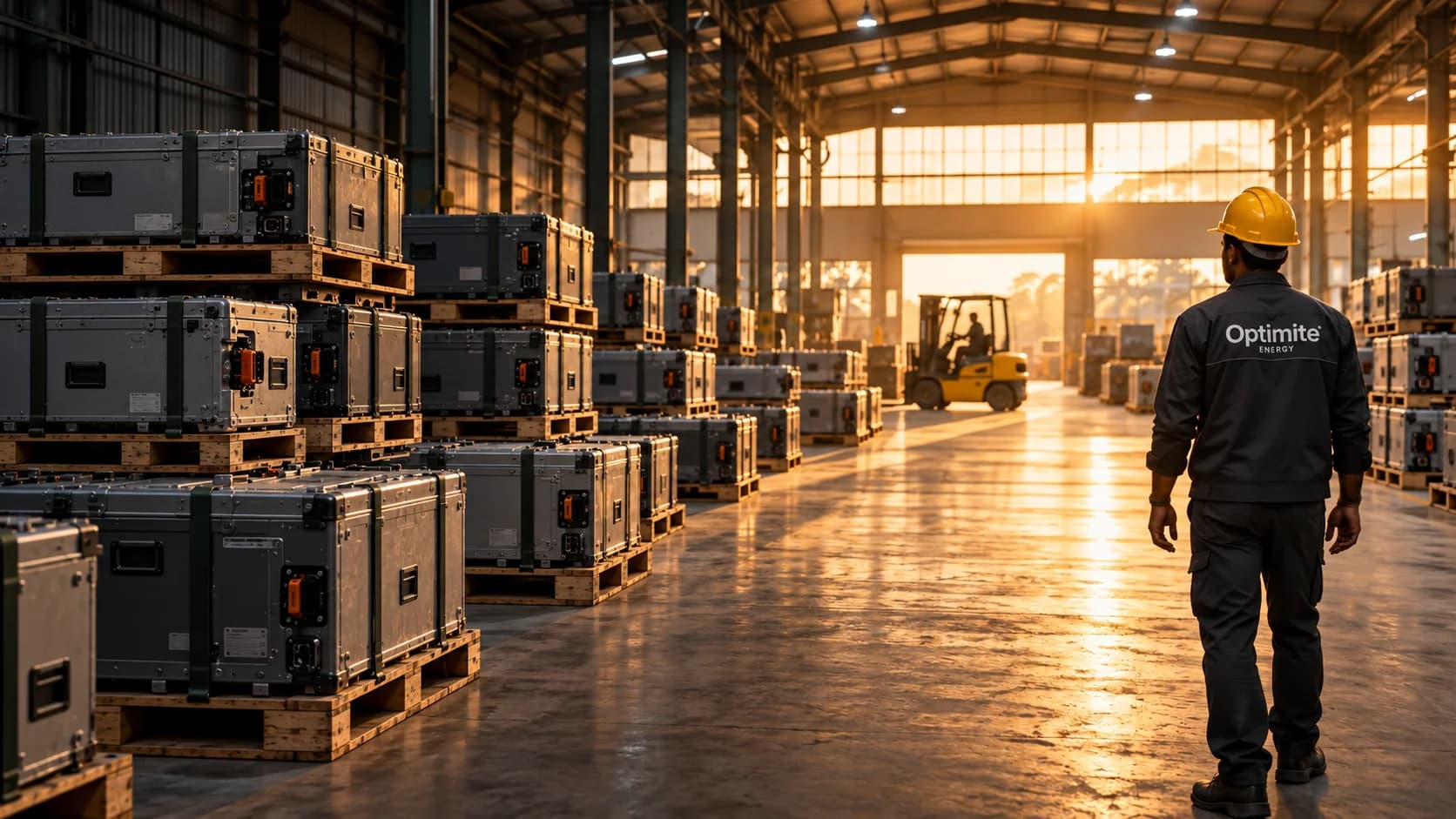
Lithium-ion EV battery collection
Building India’sformal supply chainfor battery materials.
We’re building the collection infrastructure that connects end-of-life batteries to registered recyclers. From source to gate. Every pack accounted for.
- Collection infrastructureLithium-ion EV packs
- Documented custodyA record for every pack
- Western UP & NCROur starting geography
- Registered downstreamBuilt for recycler requirements
Recycling starts long before the recycling plant.
The material exists. The challenge is connecting fragmented battery sources to formal processing, with consistent collection, sorted consignments and a documentation trail.
of announced lithium-ion recycling capacity in India, against about 15 kT of end-of-life batteries needing recycling in 2025
Source · NITI Aayog with TERI, January 2026 ↗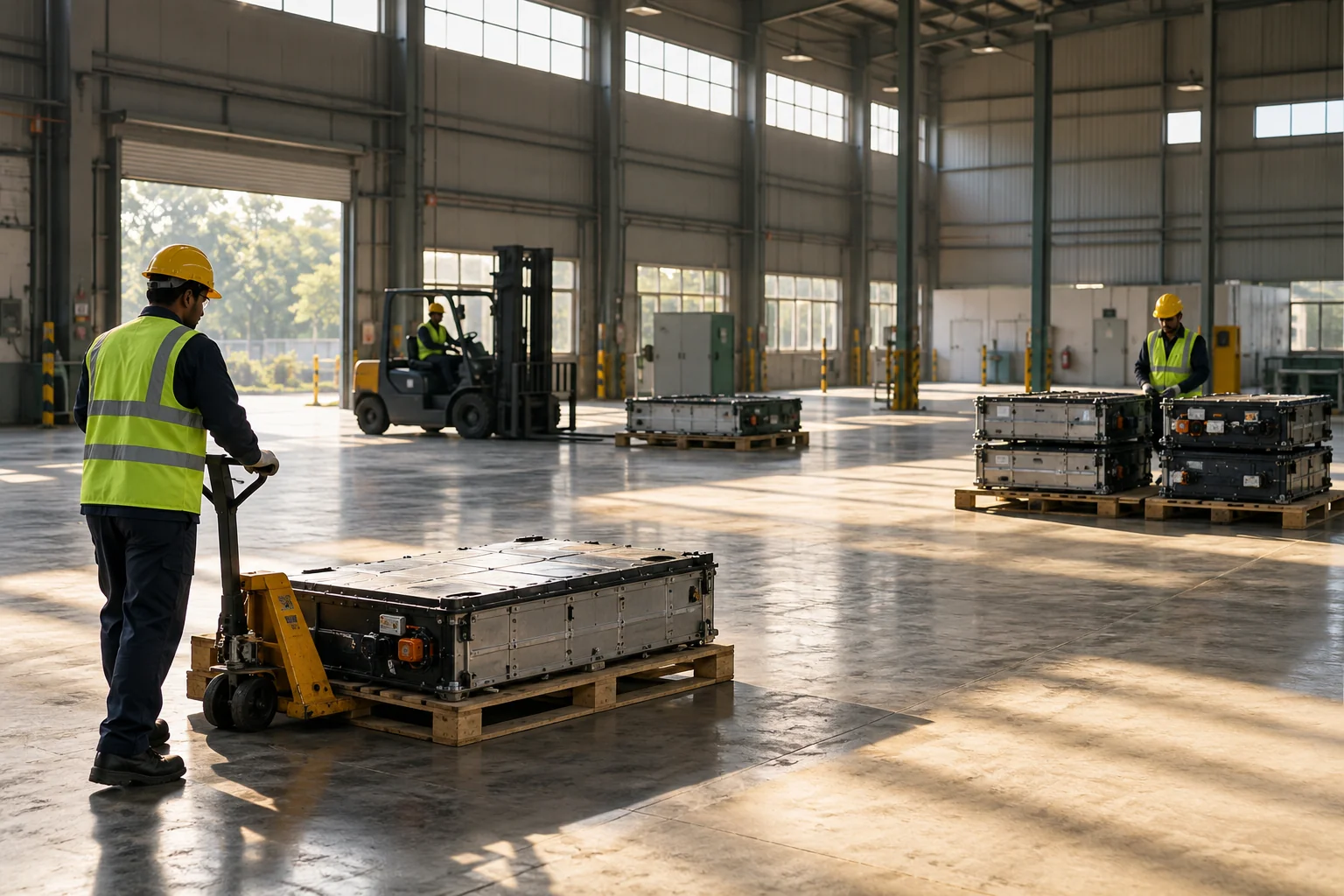
The gap is upstream.
- Fragmented sources
- Inconsistent supply
- Missing traceability
Multiple players. One connected network.
A formal route from the people who hold end-of-life batteries to the people who can recover their materials. Optimite connects the steps in between.
See how it fits together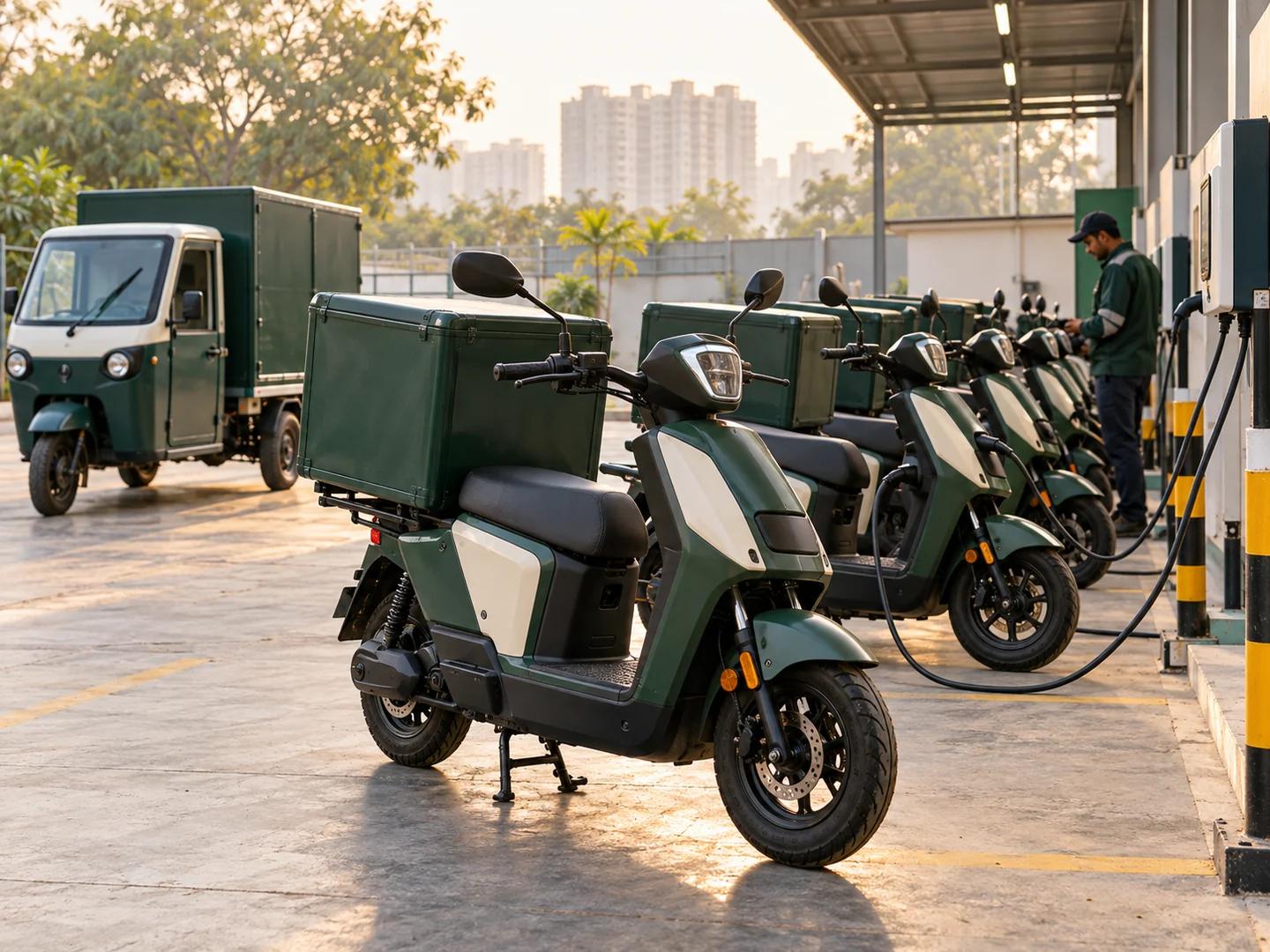
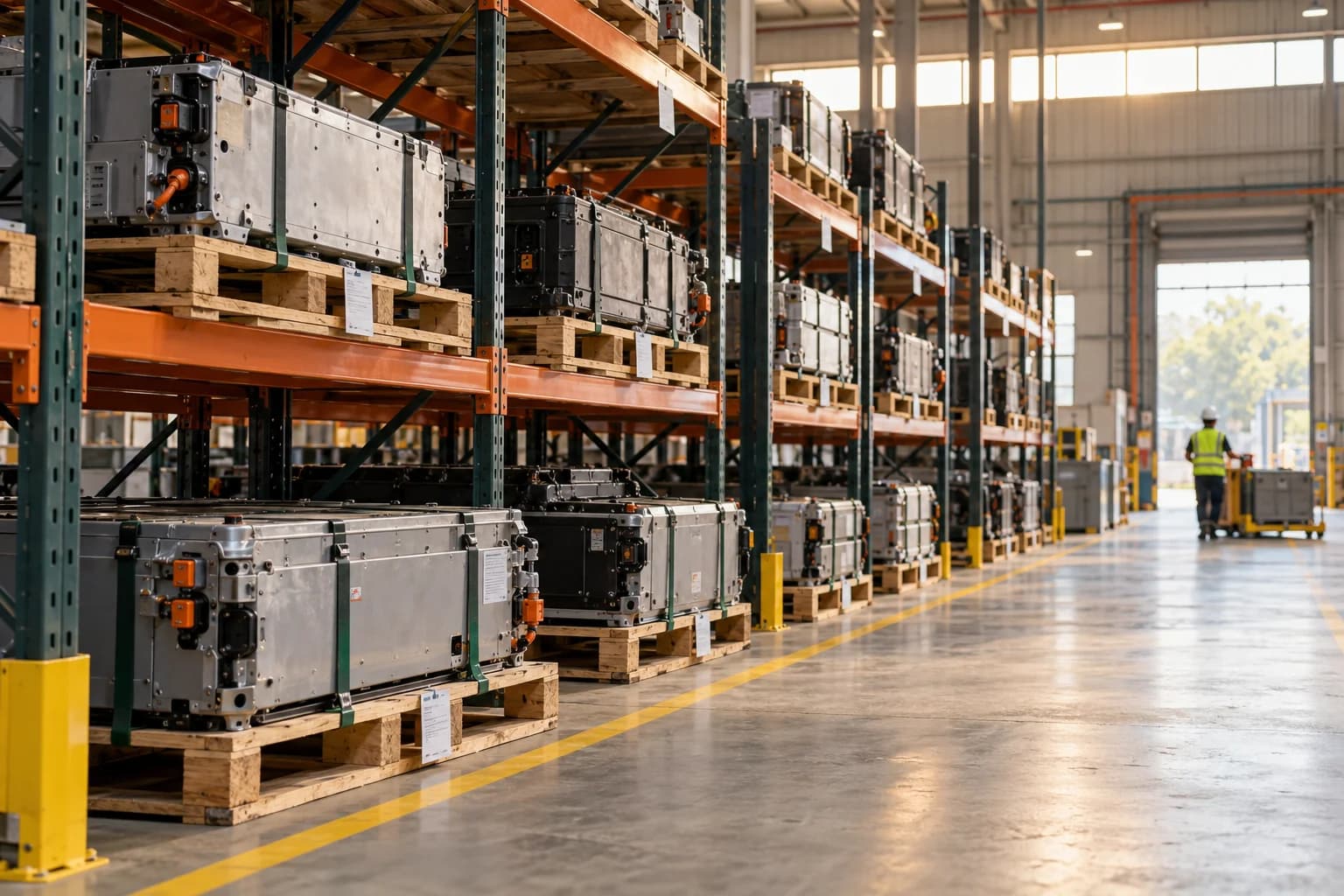
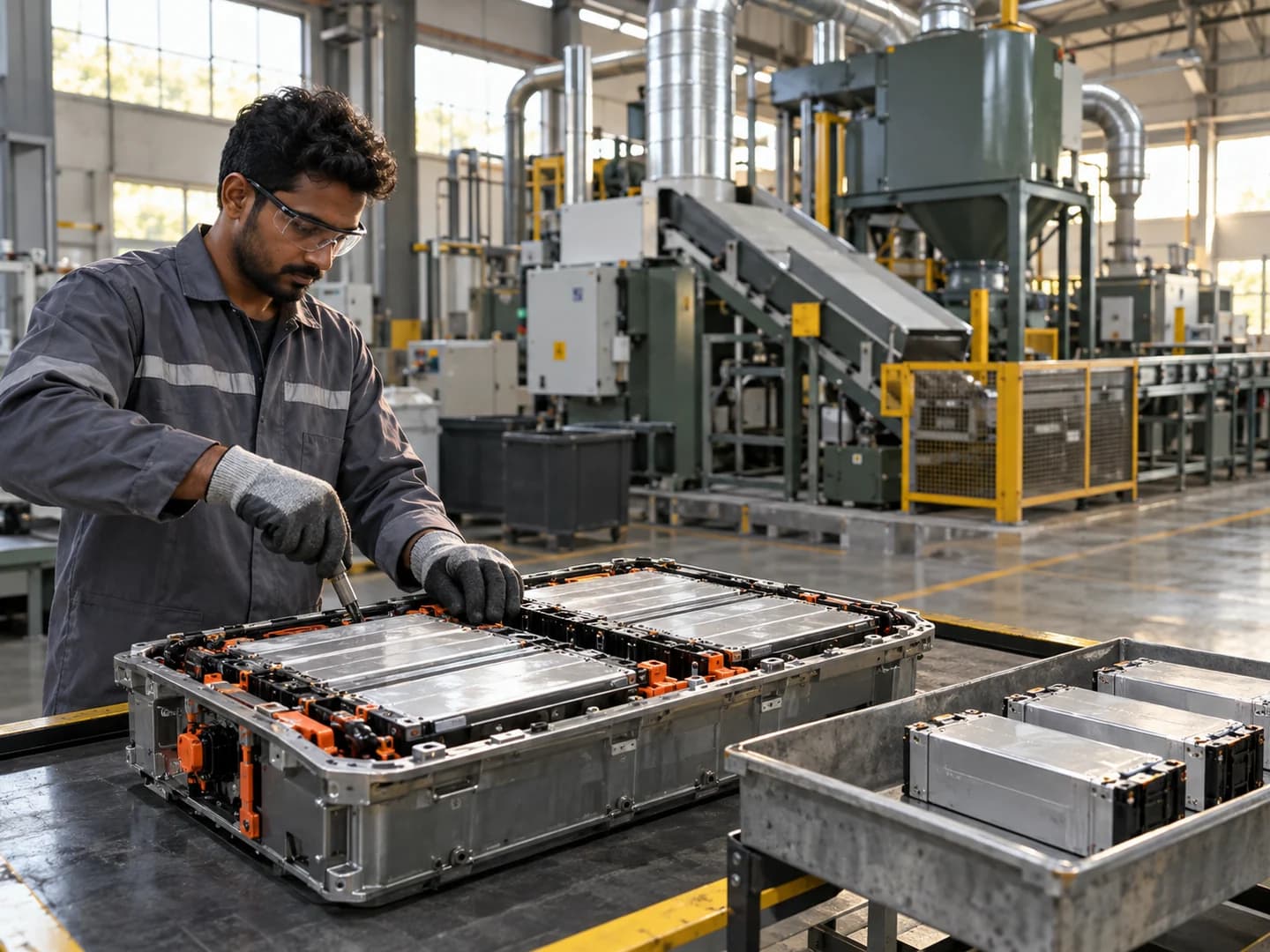
Collect. Consolidate.
Deliver.
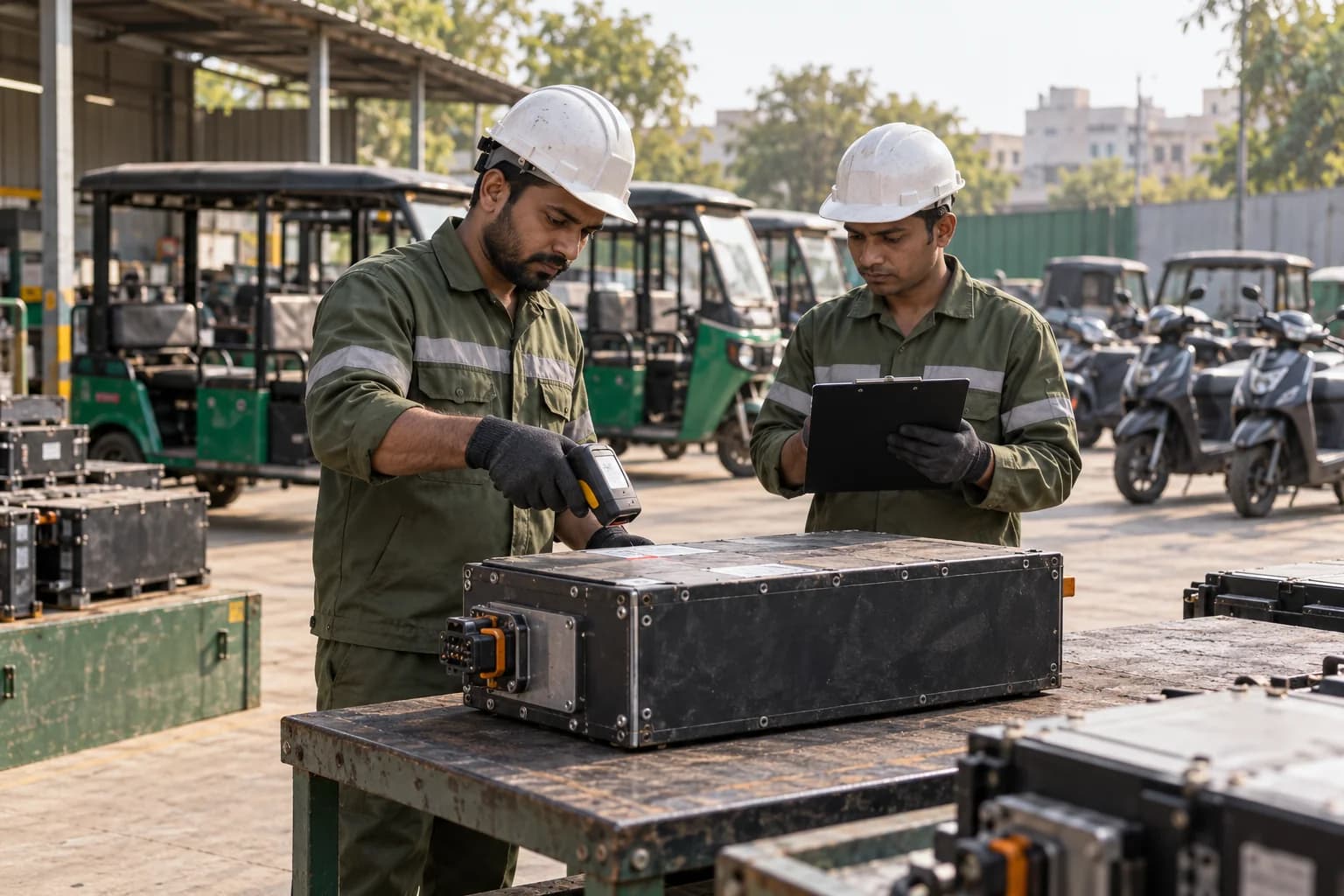
A clear operating model. A continuous paper trail. Designed to make every handover accountable.
Follow the complete process- 01
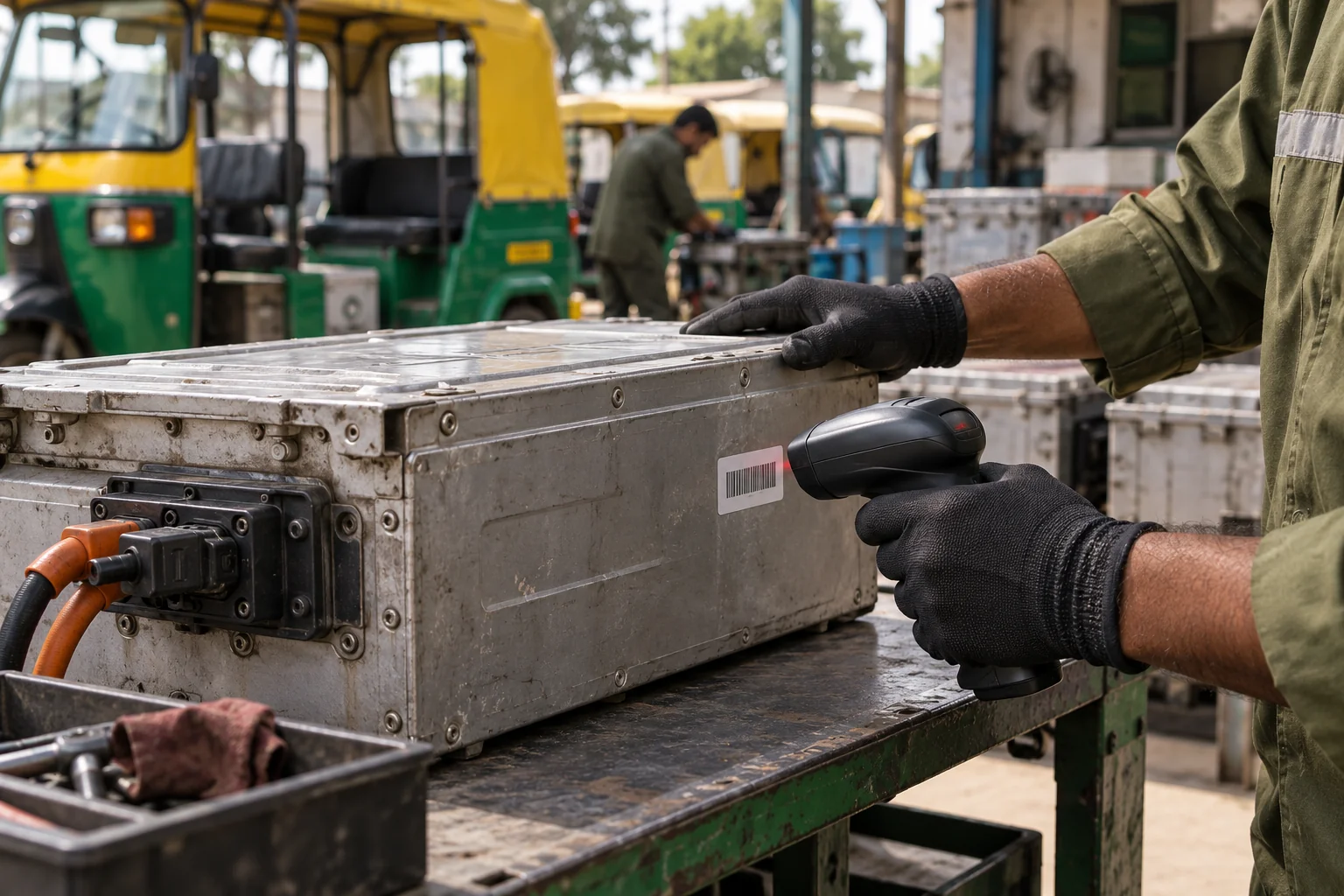
Collect
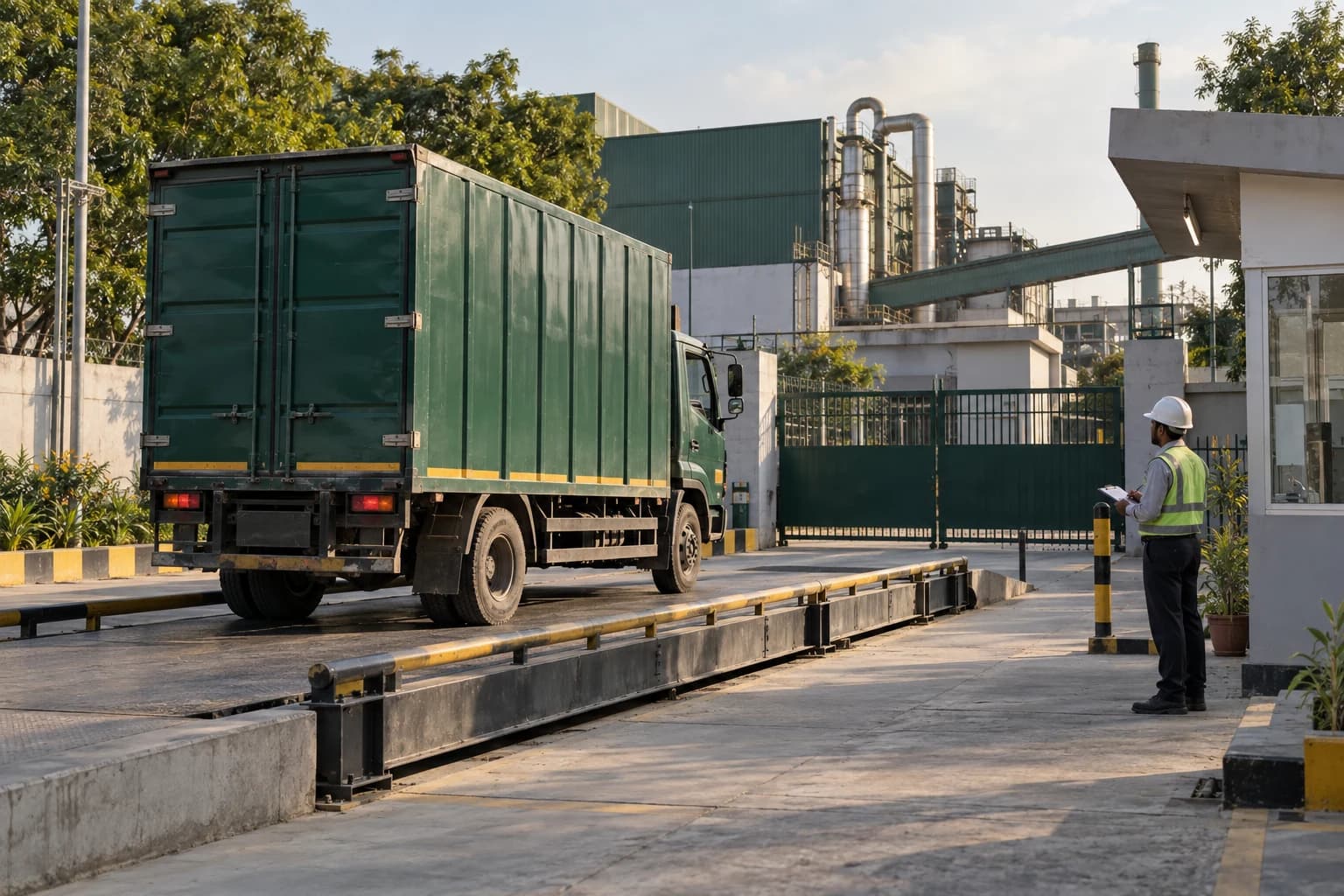
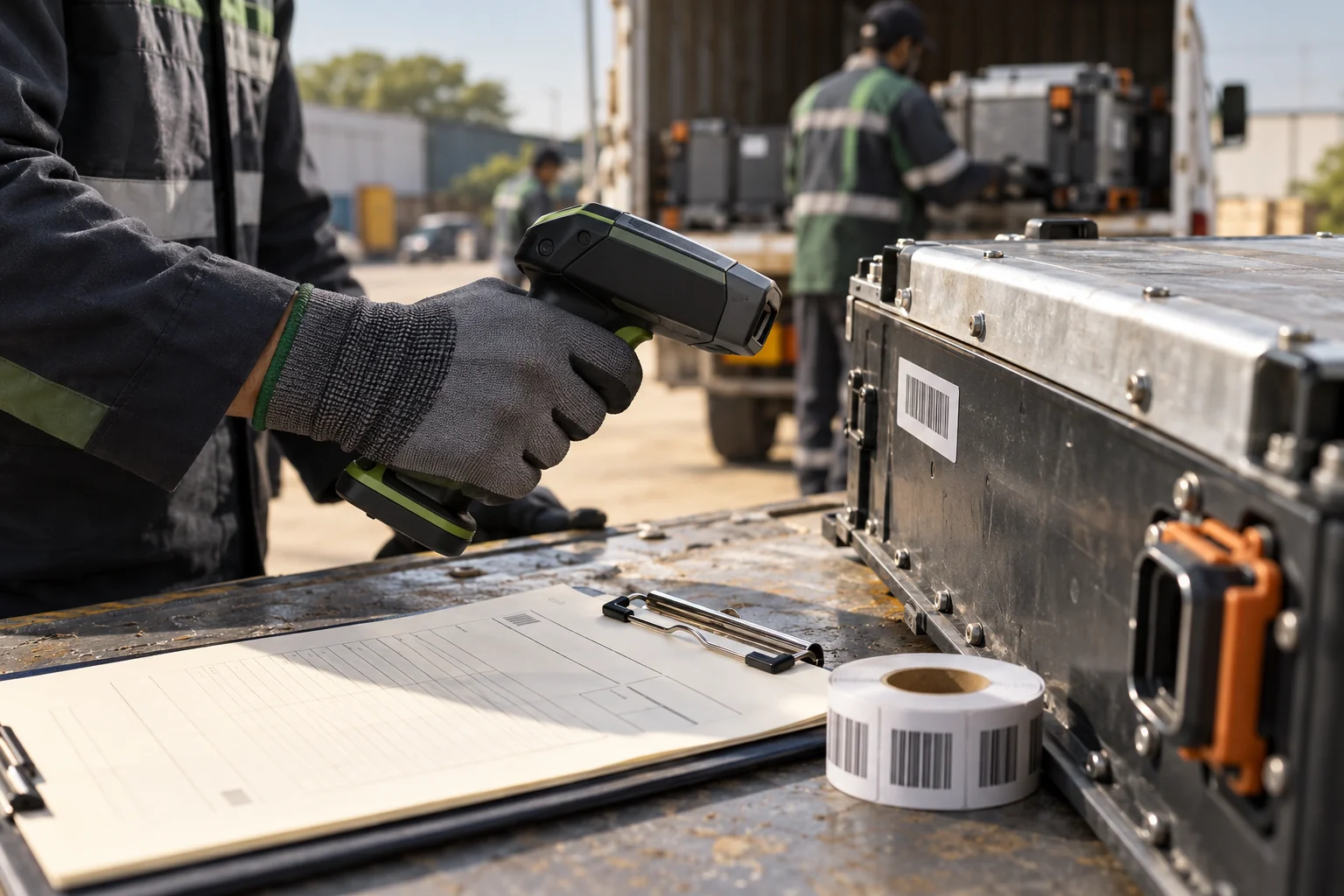
Source end-of-life lithium-ion EV packs, LFP and NMC. Identify, sticker and weigh each one.
- 02
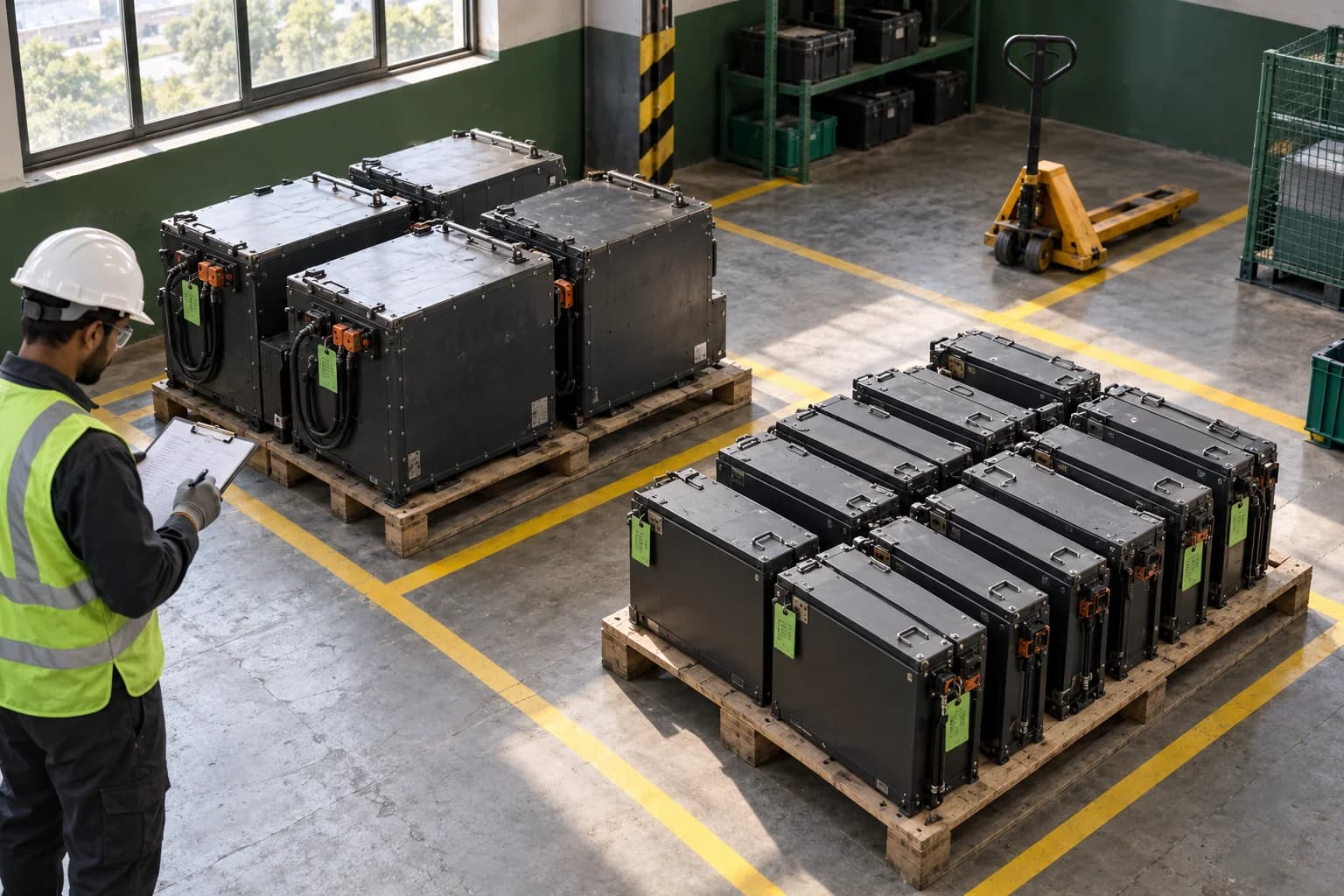
Consolidate
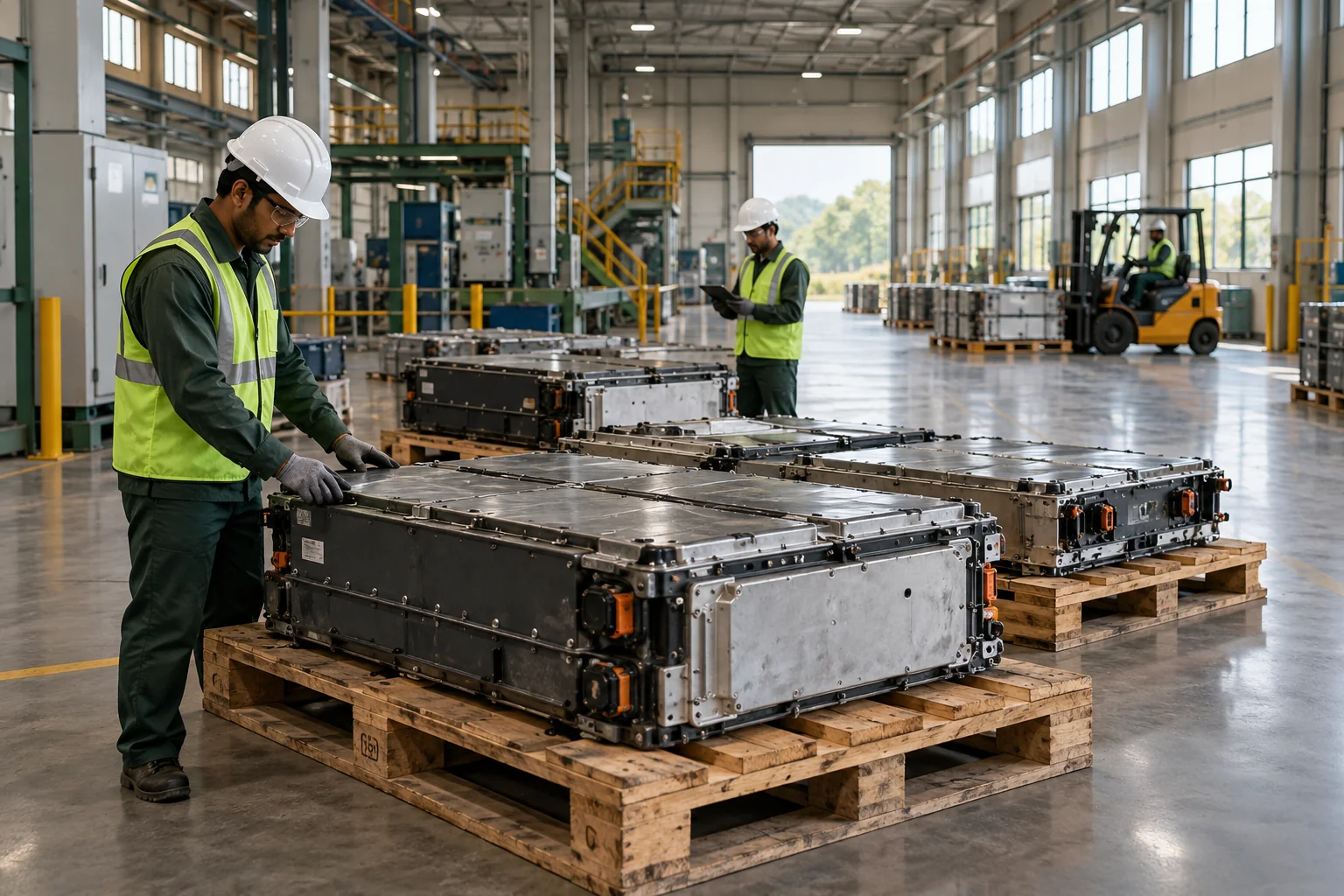
Sort by chemistry and condition. Segregate material and assemble documented consignment loads.
- 03
Deliver
Route to CPCB-registered recyclers. Reconcile the consignment at the receiving gate.
 ENERGYSample
CONSIGNMENT / MATERIAL MOVEMENT
LFP-2026-08-13- Chemistry
- LFP
- Pack count
- 312
- Weight in
- 6,214.0 kg
- Weight at gate
- 6,208.5 kg
- Source
- Hapur & Ghaziabad
- Destination
- Registered recycler
- Custody
- Source to gate
Keeping batteries in the formal economy.
More material reaching registered processing. More visibility across the supply chain. That’s the outcome we’re building towards.
The infrastructure opportunityMaterial recovery
Direct end-of-life batteries towards registered recovery channels.
A traceable supply chain
Carry pack-level records through every handover.
Reliable recycler feedstock
Build towards sorted, documented consignments to agreed specifications.
An India-wide ambition. A focused first corridor.
We’re starting with western Uttar Pradesh and the National Capital Region: Uttar Pradesh has registered more electric vehicles than any other state, and it’s the geography our team knows. Expansion will follow material availability, route density and recycler demand.
EVs registered in Uttar Pradesh, April 2019 to March 2024, the most of any state
in Delhi over the same five years, on the corridor’s doorstep
Ghaziabad / Meerut / Hapur / Gautam Buddha Nagar / Bulandshahr / Baghpat / Muzaffarnagar
From the field. For the future.
The material, the movement and the records behind a formal battery supply chain.
All perspectives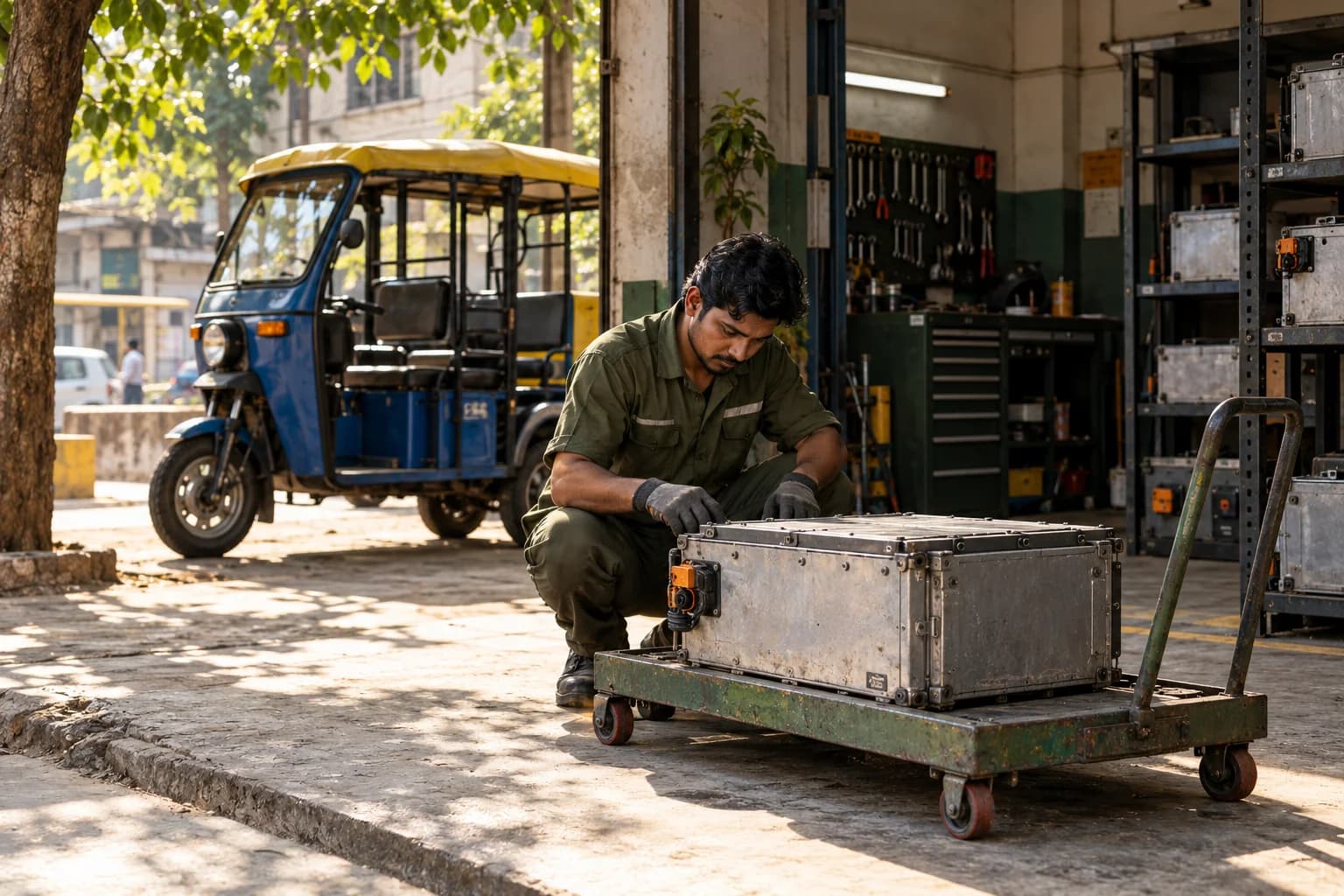
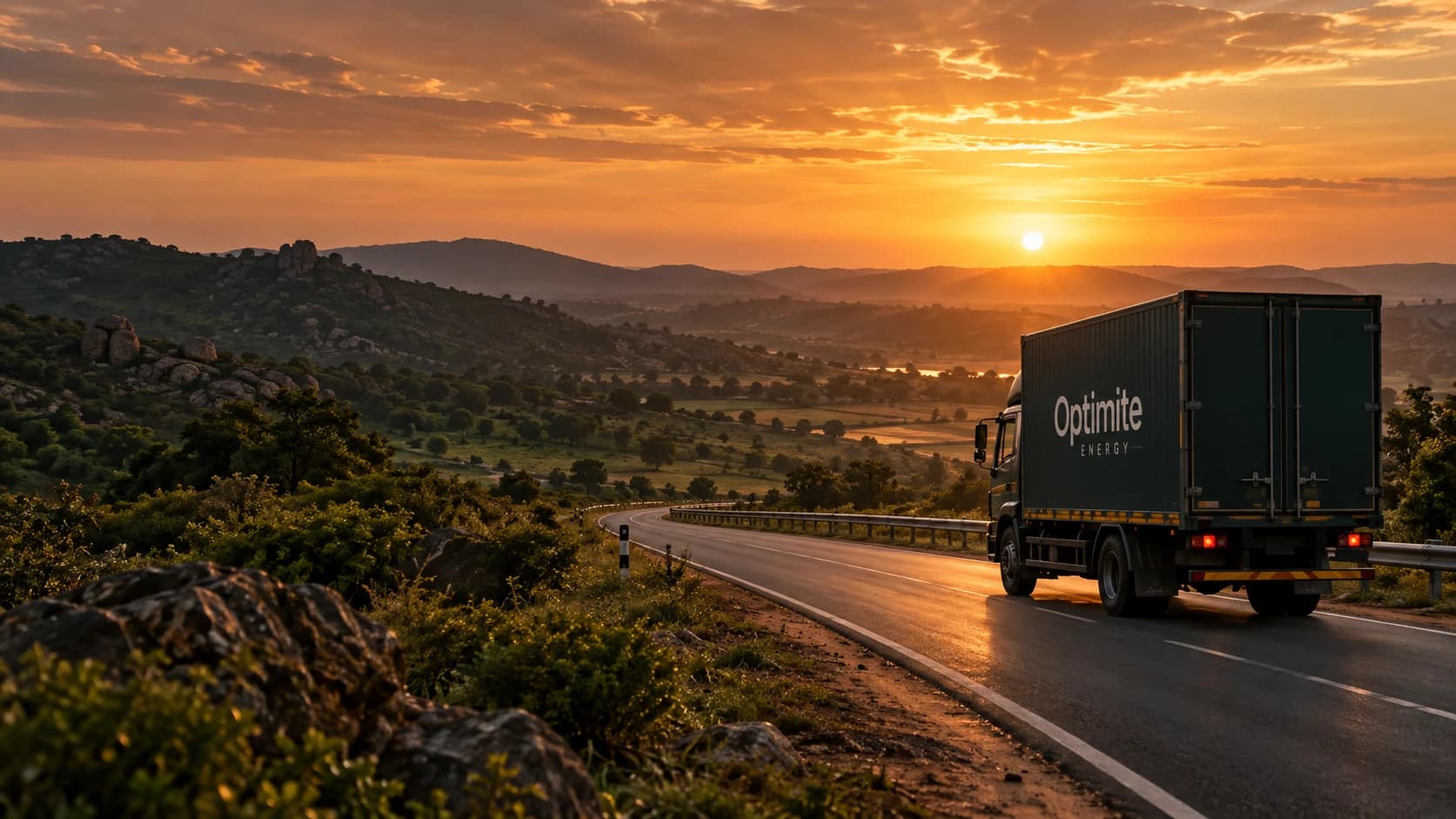
The next chapter starts with a conversation.
For recyclers, collection partners, producers and investors who see the value in a more accountable battery supply chain.